

Placental abruption signs: Medical negligence claims
Understanding placental abruption: Causes, symptoms, and medical negligence claims. The placenta is the baby’s lifeline in the womb, supplying oxygen
I qualified as a Legal Executive in September 2019 and am a Fellow of the Chartered Institute of Legal Executives. I originally joined Tees as a Paralegal in the Medical Negligence team in April 2015 and studied for my professional qualification whilst working full-time and gaining invaluable experience.
I deal with a variety of Medical Negligence claims, including:
I will work with you to seek answers for what has gone wrong and to understand your needs going forward. I understand that seeking legal advice on a medical issue can be daunting however am friendly and approachable and will provide updates, support and understanding from the initial meeting and throughout your time with us.
I have been instructed on a wide range of medical negligence claims, and some settlements include:
I came to Tees with no knowledge of how a medical negligence claim would work or the machinations of the compensation system. Katheryn was consistently helpful, clear, available and empathetic. I am very pleased with not only the end result, but with how swiftly the process was completed.
I graduated from the University of Sheffield in 2014 with a degree in Law with French, which included a year abroad studying French Law at the Université Paris-Sud XI in Paris. During my final year at University I elected to study The Principles of Healthcare Law and Ethics which fueled my desire to pursue a career in the complex field of Medical Negligence.
I am also a Fellow of Cilex.
Outside of work, I enjoy spending time with my family and walking our cocker spaniel. I also enjoy Pilates.
Understanding placental abruption: Causes, symptoms, and medical negligence claims. The placenta is the baby’s lifeline in the womb, supplying oxygen
Forceps are sometimes used to deliver a baby, usually if the mother becomes exhausted, the baby is distressed or is

When a loved one dies unexpectedly following medical treatment, families can be left with difficult questions about what happened and whether anything could have...

A stroke is a serious medical emergency. Recognising the signs and getting urgent medical treatment can make an important difference to a person’s recovery...
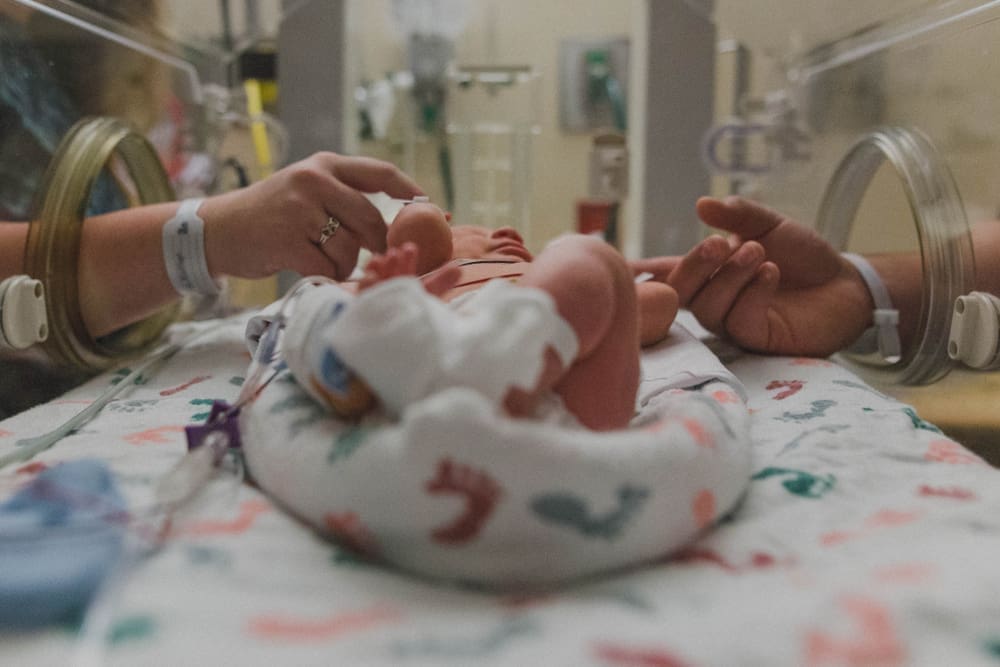
Today’s warning that up to 20 maternity units in England may need to close or change how they operate highlights the risks of addressing...

A retinal detachment is a serious eye condition that requires urgent medical treatment. Without prompt intervention, it can cause permanent sight loss in the...

Are patients missing out on life-saving care? A forthcoming inquest in Preston is set to shine a further spotlight on inconsistencies surrounding out-of-hours stroke...

New figures highlighted by the BBC show a significant rise in clinical negligence claims relating to A&E care in England. The BBC’s analysis of...

A review into the care provided by suspended paediatric orthopaedic surgeon Ms Kuldeep Stohr at Addenbrooke’s Hospital has identified harm in hundreds of patients....

Diagnosing sarcoma can be particularly challenging due to the rarity and diversity of these cancers. The process often requires specialist imaging, pathology expertise, and...

Each July, the medical community highlights one of the most misunderstood cancers. Despite affecting thousands annually, nearly nine out of ten people cannot identify...

Aortic dissection is a life-threatening medical emergency that needs urgent diagnosis and treatment, yet is still often misdiagnosed. It is often missed in younger...

Donna Ockenden’s investigation into Nottingham University Hospitals NHS Trust represents a watershed moment in understanding tragic systemic healthcare failures in maternity care across England....

Men’s Health Week is an opportunity to encourage men across the UK to take charge of their physical and mental wellbeing. From heart disease...
