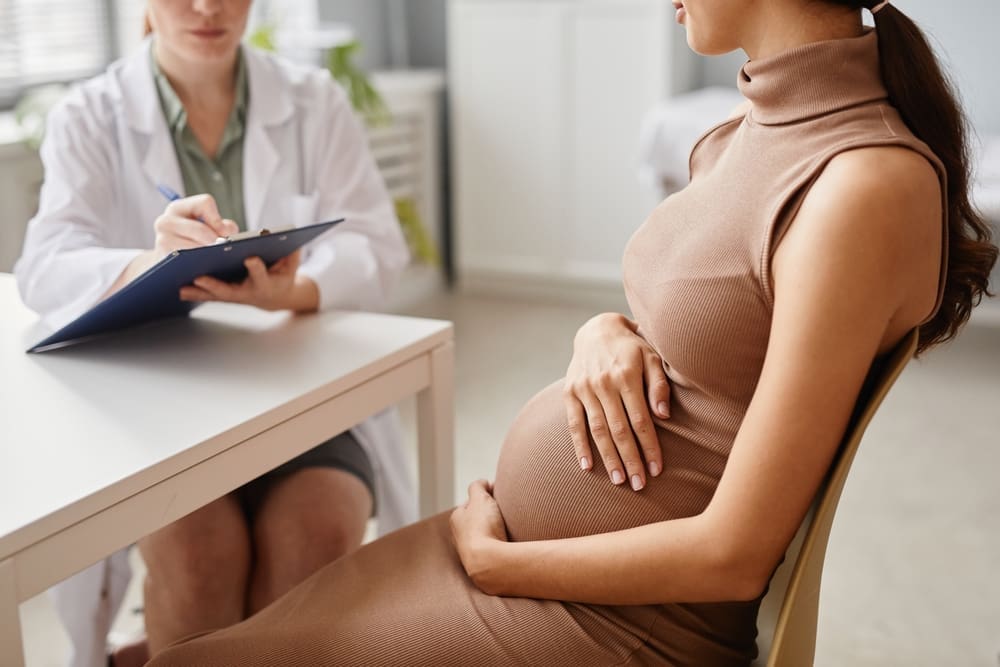

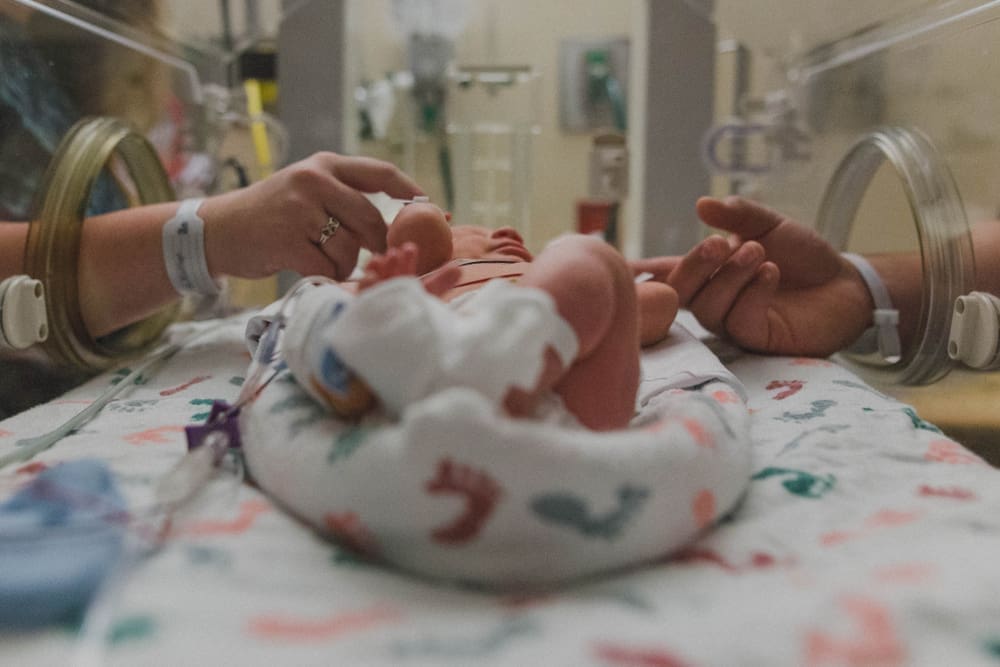

Failings in maternity and neonatal services have continued to dominate national headlines over the past few months highlighting longstanding concerns about the safety, consistency and quality of care being delivered to women and babies across England.
Supporting families affected by maternity care failures
As medical negligence lawyers at Tees Law, we have decades of experience advising families through the complexities of claims arising from failures in maternity and neonatal care services, including:
- Stillbirth and neonatal death;
- Cerebral palsy and child brain injuries;
- Maternal injuries;
- Traumatic births; and
- Wrongful birth.
On a professional level, we closely monitor reported developments in maternity and neonatal care to ensure we are well placed to support families affected by failings in these services. As a client orientated team, we genuinely care for the families we represent and find it deeply frustrating to see that recurring issues in maternity care continue to cause harm.
Baroness Amos’ investigation: interim report
Background to the investigation
In February 2026, following on from her December 2025 “Reflections and Initial Impressions” report, Baroness Amos published her interim report arising from the ongoing independent investigation into maternity and neonatal services in England.
The independent investigation was commissioned in June 2025 by the Health and Social Care Secretary of State, Wes Streeting, amid the ongoing maternity crisis in England which was triggered by the avoidable deaths of hundreds of babies and mothers in NHS hospitals.
Scope and purpose
The investigation is tasked with examining maternity and neonatal services at twelve NHS Trusts and seeks to establish a single set of national recommendations for implementation across the whole maternity system to support nationwide improvements in maternity and neonatal care across England.
Key findings from the interim report
The interim report makes for difficult reading, highlighting multiple systemic factors that continue to place maternity and neonatal services under sustained pressure. These include capacity pressures at all stages of pregnancy, with women forced to wait hours for assessments and serious leadership failings including reports of bullying, aggressive and racist behaviour by senior medical staff. Partner Tim Deeming at Tees, provides a detailed commentary on Baroness Amos’ findings in his article, “UK maternity care inquiry reveals systemic failures across NHS trusts”
Next steps and government response
Unfortunately, the issues identified in the interim report are familiar to us at Tees, having affected a number of our clients. While we await Baroness Amos’ conclusions in her final report, due later this spring, we take some reassurance from the fact that the government appears to be responding proactively by taking steps to improve maternity care.
National Maternity and Neonatal Taskforce
Creation and purpose
In March 2026, the government announced the launch of the National Maternity and Neonatal Taskforce, a body commissioned to develop a national action plan informed by the findings of Baroness Amos’ investigation, with the overarching aim of improving maternity and neonatal services across England and a focus on ensuring that agreed actions lead to meaningful change.
Key objectives
In addition to developing this national action plan, the taskforce will be responsible for monitoring its implementation and assessing progress. The aims of the plan are to deliver:
- Improved maternal and neonatal safety outcomes
- Better experiences for women, babies and families
- Improved experiences for staff working within maternity and neonatal services
- Reductions in inequalities affecting women, babies and families.
Leadership and structure
Although Baroness Amos’ recommendations are awaited, we understand that work has already begun and in March 2026, members of the taskforce were announced. Chaired by Wes Streeting, it comprises a panel of 17 expert members, including family representatives, senior doctors and nurses, academics and campaigners.
While there has been some criticism that the panel does not currently include an anaesthetist, we understand that membership is evolving and, overall, believe the creation of this body represents a positive step towards addressing the ongoing maternity crisis. We hope the taskforce can meet its objectives and look forward to monitoring progress and seeing meaningful improvements emerge over time.
MNSI data suggests a decline in reported HIE cases
In other positive news, in March 2026, the Maternity and Newborn Safety Investigations (MNSI) programme published data which demonstrates a decline in the number of reported cases of hypoxic-ischaemic encephalopathy (HIE) in newborns.
Understanding hypoxic-ischaemic encephalopathy (HIE)
HIE is a form of brain injury caused by a lack of oxygen and blood flow to the brain before, during or shortly after birth. It can cause neonatal death and severe long-term disabilities including cerebral palsy. In many cases, HIE is avoidable. As medical negligence lawyers, we work with lots of children and young people affected by HIE with severe brain injuries requiring 24-hour care, specialist therapies and equipment and adapted accommodation.
Role of the MNSI programme
The MNSI programme was established in 2018 (previously known as the HSIB programme) to carry out independent maternity investigations and, where relevant, make safety recommendations to improve services across the whole maternity healthcare system in England. Specifically, MNSI investigate cases of early neonatal deaths, stillbirths, severe brain injuries in babies and maternal deaths. To encourage accountability within the NHS, when a case meets the criteria for investigation, the NHS Trust must report it to MNSI. To date, MNSI has carried out approximately 4,600 maternity investigations into serious harm and deaths.
Reporting criteria for HIE cases
In cases of HIE, NHS Trusts are only required to report cases to MNSI for investigation when certain criteria are met. One of the criteria is that a baby sustained a potentially severe brain injury within the first seven days of life or has a confirmed severe brain injury (confirmed by an MRI scan).
Figures released by MNSI confirm that over the last five years, there’s been a reduction in the number of referrals of babies with either a potentially severe brain injury or a confirmed severe brain injury, suggesting a reduction in the number of babies born with HIE in England.
Trends in recent data
In 2020/2021, 657 babies with a potentially severe brain injury and 238 babies with a confirmed severe brain injury were referred. In 2024/2025, 431 babies with a potentially severe brain injury and 138 babies with a confirmed severe brain injury were referred.
MNSI acknowledge that there has been a decline in the overall birth rate over the past five years, which will have affected the total number of babies reported; however, it notes that the reduction in referrals is greater than would be expected based solely on the falling birth rate.
What the data may indicate
Although further data are required before firm conclusions can be drawn, it is encouraging that figures suggest a decrease in the number of babies born with HIE. This may represent a tentative improvement in maternity services and neonatal care in England. The MSNI programme will continue to investigate maternity care until 2030, so ongoing monitoring will be essential to determine whether meaningful improvements are being achieved.
Ongoing investigations into NHS maternity services
Leeds Teaching Hospitals review
In other recent news, in March 2026, Wes Streeting appointed Donna Ockenden to chair the Independent Review into maternity and neonatal services at Leeds Teaching Hospitals NHS Trust. The review will examine cases of stillbirths, neonatal deaths, serious incidents, hypoxic injuries and maternal deaths over a 15-year timeframe from 1 January 2011 to 31 December 2025.
Other investigations led by Donna Ockenden
Ms Ockenden is already leading the Review of Maternity Services at Nottingham University Hospitals NHS Trust, which is due to be published in June 2026. In April 2026, she was also appointed to lead the independent investigation into maternity care at University Hospitals Sussex NHS Trust, a move welcomed by families who had been promised a review into their maternity care in 2025. The Trust is now one of the 12 being examined as part of Baroness Amos’ investigation.
Concerns at Oxford University Hospitals NHS Trust
Unfortunately, more concerns have emerged in relation to maternity services at another NHS Trust after a BBC investigation in March 2026 brought the John Radcliffe Hospital, part of Oxford University Hospitals NHS Trust, back into the spotlight. The investigation published the results of a Freedom of Information request which very sadly revealed that 58 babies who died between 2019 and 2024 might have survived had they been given better care.
The Trust was already under scrutiny following a joint investigation by Channel 4 and The New Statesman which concluded in November 2025, and which alleged that dozens of babies had died or were born with severe disabilities because of poor care.
Culture and previous findings
Concerns about the culture within the maternity services department had led to previous whistleblowing, and a Care Quality Commission (CQC) report published in 2021 identified issues relating to bullying, hierarchy, and dysfunction within the team. At that time, the service was rated as requiring improvement. The Trust was reassessed in October 2025. The findings of that assessment have yet to be published.
MNSI findings and recommendations
The BBC’s investigation found that between 2019 and 2025, 27 baby deaths at the Trust were referred to MNSI and that following its investigations, MNSI made recommendations relating to fetal monitoring, risk assessment, and improved communication. This Trust is also now one of the 12 being examined as part of Baroness Amos’ investigation.
Ongoing concerns
The results of the BBC investigation, whilst difficult to read, are sadly unsurprising. At Tees, having supported many families who have lost their babies due to negligent maternity care, we regularly see the same underlying issues causing stillbirths, neonatal deaths and serious brain injuries.
Seeking legal advice after maternity care failings
If you’ve been affected by poor maternal or neonatal care and would like to know whether you may have a claim, contact us to arrange a confidential discussion about your options. At Tees, our experienced medical negligence solicitors support families affected by maternity and neonatal care failures with sensitivity and care. While we recognise that no legal action can ever erase the pain of losing a child or the impact of a traumatic birth, we can help families seek answers and find a sense of closure.