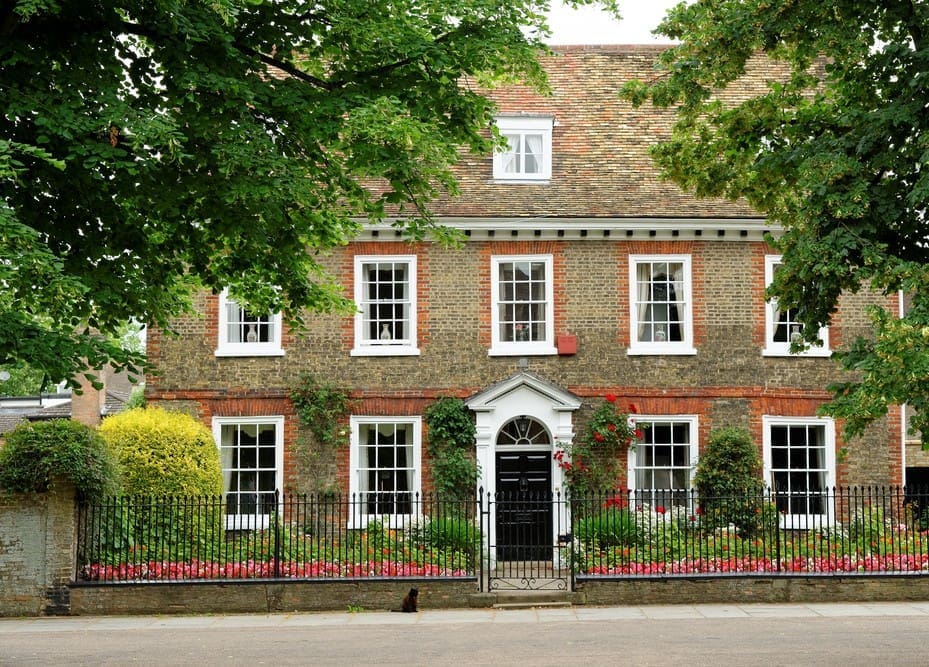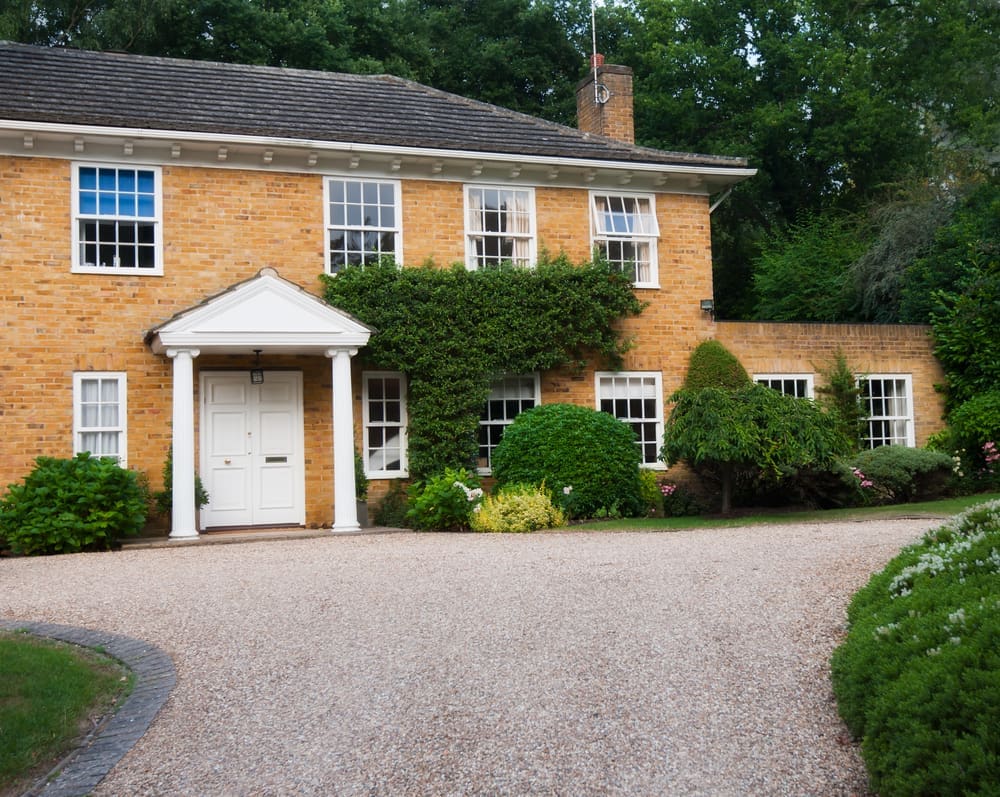



We are very fortunate in Cambridge to deal with some gorgeous properties, from Georgian townhouses in prime city locations to converted barns on leafy village streets. Many of our most desirable neighbourhoods have retained their character and visual cohesion, and often this can be linked to their designation as a ‘conservation area’. We are regularly asked what a conservation area is and what it means in practice for buyers and owners.
What is a conservation area?
A conservation area is an area of special architectural or historic interest, the character or appearance of which is desirable to preserve or enhance. Most conservation areas are designated by the local authority, though in some circumstances the Secretary of State or Historic England can also create them. Designated conservation areas can be reviewed from time to time so their boundaries can change to extend or reduce the area covered and, if the original special interest of a conservation area has been significantly eroded, they can be cancelled.
Checking the size and characteristics of a conservation area
Each local authority keeps a record of the conservation areas within their boundaries and will maintain an online map showing their extent. The designation must be registered as a local land charge so would be revealed by the conveyancing searches usually undertaken by a solicitor when purchasing a residential property. The local residents will usually have been consulted before any designation took place and there is often a ‘character assessment’ of the area available for inspection online which will detail specific elements and highlight features of individual properties
Restrictions on development
A conservation area designation gives the local planning authority additional powers. This does not mean there is a blanket ban on development, but the usual permitted development regime (which allows certain minor works to take place without planning permission) is curtailed and the local authority will take into account the special character of the conservation area when deciding whether to grant planning permission for external alterations or additions. Planning permission is required for any demolition works, which can include fencing and walls, particularly if next to a highway.
Article 4 directions and other protections
Conservation areas will often overlap with other restrictions. Local authorities can use Article 4 directions to further restrict permitted development rights and give themselves a greater control over building works in that area. In Cambridge for example there are specific restrictions affecting the Accordia estate on Brooklands Avenue which are intended to preserve the nature and appearance of that Stirling Prize-winning estate going forward. Parts of the Norfolk and Suffolk coast, where many of our clients may consider purchasing second homes, are separately designated as Areas of Outstanding Natural Beauty, which places an obligation on the local planning authority to make sure their planning decisions contribute to the local natural environment.
Where to get advice before starting work
It is sensible to speak to the local planning authority at an early stage. They will be able to offer advice on what consents are likely to be necessary. You should make sure that any architect, planning consultant or builder that you appoint is experienced in dealing with properties within a conservation area and can guide you through the different restrictions. The penalties for breaking the rules can be costly!
Trees have special protection
A tree within a conservation area will be legally protected, in a similar way to a specific tree preservation order. Mature trees are often integral to the value and atmosphere of a property’s garden but pruning or felling may require six weeks’ advance notice to the local planning authority to give the council chance to make a specific tree preservation order if they feel necessary.
Not the same thing as a ‘listed building’
Listed buildings are buildings of special architectural or historic interest with special legal protection which have been assigned a grade (I for sites of exceptional historic interest, II* for great historic interest or II for special historic interest). A house can sit within a conservation area without being listed, and similarly a listed house might be outside a conservation area, but it is important to check and understand whether a building is specifically listed. If it is, there will be far tighter restrictions on what can be done, and consents are needed for works to the interior as well as the exterior.
A sense of community
People that live in conservation areas can be very proud of them and rightly so. It is not uncommon for the residents to have formed an association or society to discuss, protect and enhance their local area. As an example, SOLACHRA Residents Association was established in the 1980s to represent the interests of the residents of Southacre, Latham Road, Chaucer Road and Trumpington Road and they hold meetings throughout the year to deal with topics relevant to their conservation area.
Does it affect the value of my property?
The conservation area designation may mean that repairs and improvements to the property are more expensive, if heritage materials must be used to match any existing features. Wooden sash windows may be required, for example, rather than cheaper UPVC models. The preservation of the wider neighbourhood may though mean that your home demands a premium. The London School of Economics and Historic England released a study in 2012 that looked at property prices within conservation areas and found the values could be between 5-20% higher than elsewhere.
Thinking ahead to resale
It is likely that anyone buying your home will want to see a clean paper trail of any necessary approvals for works that you (and perhaps any previous owner) have undertaken. They will not be able to assume that you applied for any necessary consents and may ask you to prove it. This starts by appointing experienced professionals to carry out the work in the first place, but it will be important to keep records in a safe place so they can be made available as part of any subsequent conveyancing process.
If you are buying or selling a property in a conservation area, expert legal advice can help you avoid delays and unexpected issues. Our Property Conveyancing team has extensive experience dealing with homes in conservation areas across Cambridge and beyond. We will guide you through the conveyancing process, explain any restrictions affecting the property and identify any missing consents or approvals at an early stage. Whether you are purchasing your first home, moving house or investing in property, get in touch and our team will help make your transaction as smooth and straightforward as possible.