
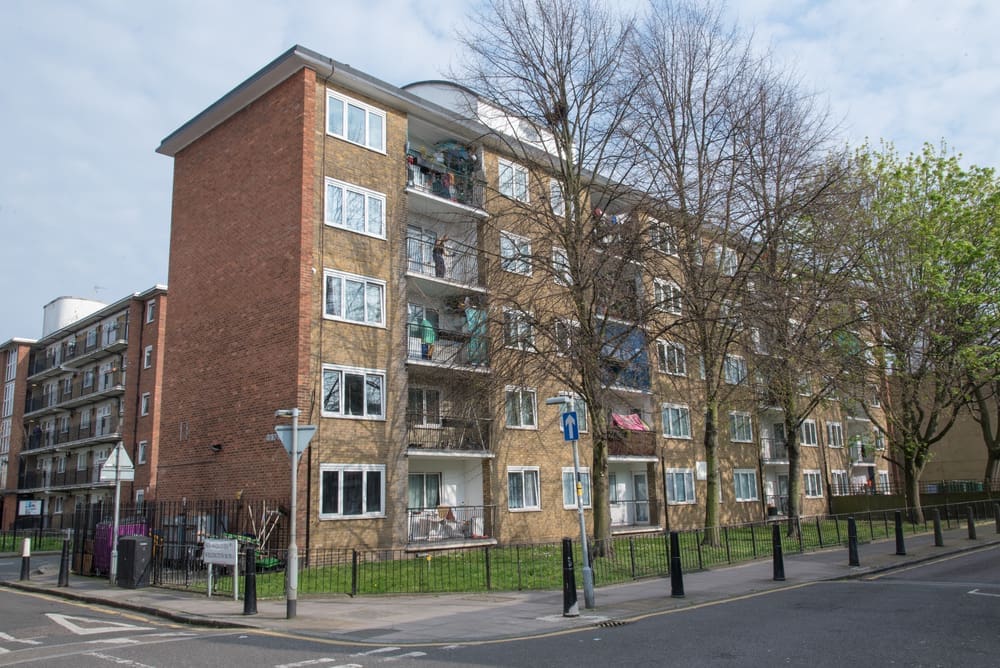

Our residential property team recently acted for a client selling a leasehold flat in London, in a block built in the 1960s. During the transaction, several issues arose relating to the original lease documentation and previous alterations carried out to the property.
By working closely with the landlord and the buyer’s solicitors, we were able to resolve these issues and ensure the sale progressed smoothly.
The challenge: outdated lease documentation and historic alterations
The property formed part of a building where the leases had been granted in the 1960s. As a result, the lease documentation reflected the drafting practices of that time.
Two key issues emerged during the sale process.
Unclear and outdated lease plans
First, the plan attached to the lease was unclear and did not accurately show the full extent of the property. Older lease plans are often less precise than modern plans, which can create uncertainty for buyers and mortgage lenders.
Lease wording not meeting lender requirements
Second, parts of the lease wording were outdated and did not meet current lender requirements. This meant the lease needed to be updated before the buyer’s lender would proceed.
Historic alterations without full consent
Further complications arose when reviewing historic alterations to the property. The lease required the landlord’s consent for any works. While a licence for alterations had been granted around 10 years ago, the works carried out did not fully match those covered by the original consent. In addition, wooden flooring had been installed without the landlord’s approval.
Our approach: Deed of Variation and retrospective consent
To resolve the issues and allow the sale to proceed, our team took a proactive and structured approach.
We worked with the landlord to arrange a Deed of Variation to the lease. This document updated the lease wording to meet current requirements and included a new, clearer plan showing the correct extent of the property.
At the same time, we negotiated with the landlord to obtain a retrospective Licence for Alterations. This licence formally approved the works carried out at the property, including the installation of wooden flooring and alterations that were not covered by the original consent.
By addressing both the lease documentation and the historic alterations, we ensured that the property complied with modern legal and lender requirements.
The outcome: a successful leasehold property sale
Through careful negotiation and close coordination with all parties involved, we secured the required Deed of Variation and retrospective Licence for Alterations.
This resolved the concerns raised during the transaction and enabled the sale to move forward with confidence for both the buyer and their lender.
How Tees can help
Leasehold properties, particularly those with older leases, can present unexpected legal challenges during a sale. Our residential property team has extensive experience identifying potential issues early and finding practical solutions that keep transactions moving.
If you are buying or selling a leasehold property and encounter complex lease issues, our team can guide you through the process and help you achieve a successful outcome.
