

As we move towards the end of Brain Tumour Awareness month, I have put together some thoughts on a subject which is very close to my heart.
Hearing the words “brain tumour” will, no doubt, be a terrifying experience for a patient and their family. Brain tumours can be some of the most serious medical conditions with life-long consequences affecting so many areas of a person’s life, from work, physical capabilities and relationships within a family.
Sadly, understanding is often only really known when a person or their loved one goes through the experience of being diagnosed with the condition.
Why awareness matters
Raising awareness of the condition is key, not only for prompt diagnosis for those affected, but to ensure they access much needed early treatment and access to support services. An early diagnosis and treatment can, ultimately, improve the prognosis of the condition.
What is a brain tumour?
A brain tumour is an abnormal growth of cells within the brain. These tumours can be medically classified into two types:
- Benign Tumour (non-cancerous) – a slower growing bundle of cells which may not be cancerous but can still prove problematic and dangerous as they can cause unnecessary pressure on the brain and structures within the brain
- Malignant Tumour (cancerous) – a faster growing and more aggressive abnormal growth of cells within the brain
As the brain is the central hub of the body, controlling everything that we do from thinking, feeling emotions, moving, even the slightest tumour can have an impact on a person.
Recognising the Symptoms
There are a number of symptoms indicative of a possible brain tumour depending on the type of tumour, the size and where it is positioned in the brain.
Common warning signs can include:
- Persistent headaches (often worse in the morning)
- Seizures
- Vision or speech problems
- Memory difficulties or confusion
- Changes in personality or behaviour
Often, however, people can be dismissive of these symptoms, or they can be mistaken for other, less serious, conditions. Consequently, this can lead to a delay in diagnosis and, importantly, a delay in getting much needed treatment.
It is vital that if there are any concerns of these symptoms, or something unusual, medical advice if sought even if to just eliminate the condition.
The wider impact
A brain tumour can affect so many aspects of a person’s life, not just physically but it can affect their ability to function on a daily basis with work, study or even navigating what would be considered everyday, normal tasks. The condition can make people very tired and reliant on others for care and support. Emotionally, it can flood the patient with emotions and challenges, including anxiety or depression.
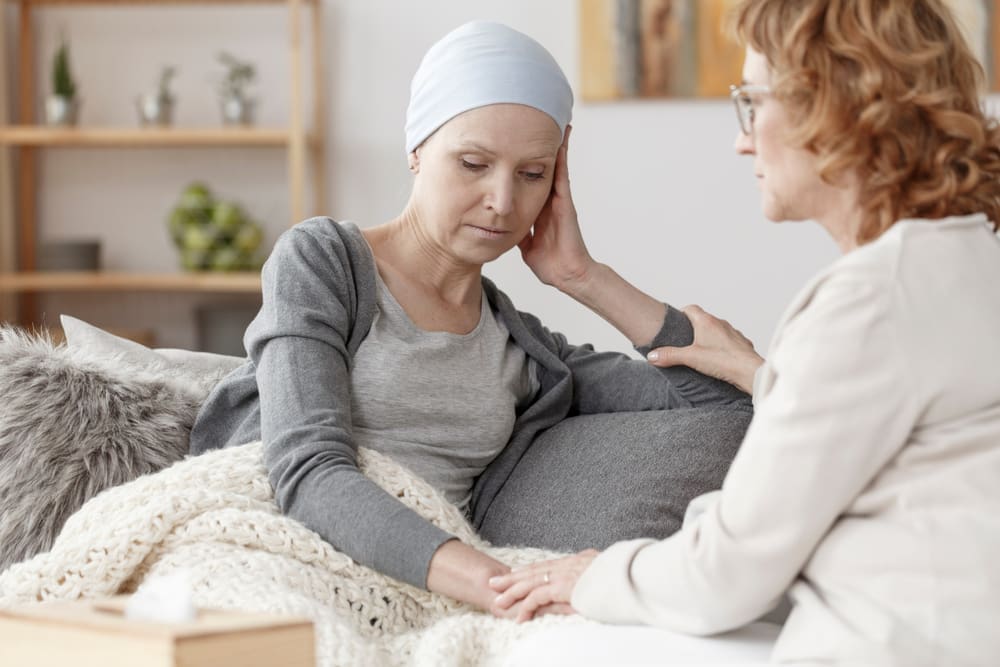
Not only will all of the impact be felt by the person, but there will be a significant impact on their family and friends who often have to deal with not only the initial impact of the diagnosis but, then, provide long term support, especially when it comes to the treatment of the condition. While the patient will be supported by their medical team, often the families are thrown into an unknown and unfamiliar situation to work through.
Treatment options
Treatment for brain tumours will of course vary depending on the type of tumour. Sometimes the treatment will involve a mixture of different treatments overseen by not just one doctor but a whole Multi-Disciplinary Team. Treatment can include surgery, chemotherapy, radiotherapy, medication and steroids.
The importance of early diagnosis and research
With better awareness of this condition, it will lead to earlier diagnosis of the condition which can only improve prognosis and treatment outcomes.
Not only does better awareness improve the clinical position for patients, but awareness surrounding the condition will lead to a better understanding for those who may know or interact with individuals affected by this condition such as employers and schools.
Of course, understanding this condition will also mean that medical research and, hopefully, funding for research, will increase. With increased research there is increased hope for the type of future treatment available for this condition which will, in turn, increase survival rates and improve the quality of life for those who suffer from aggressive brain tumours.
Conclusion
Although brain tumours can affect anyone at any time or age, by raising awareness it will ensure earlier diagnosis, treatment and support for those immediately affected, but also their extended families.
Here at Tees, we represent those who have had questions over the treatment they or a loved one has received. We provide clear, confidential advice to our clients but, importantly, we listen and take the time to understand what our clients have been through and what they want to achieve from their investigations. We help them navigate what is already a challenging situation.
If you have questions regarding your care or the care of a loved one, please do contact us.
